

Our causes
What Leo clubs work on
Twenty-one categories, and every project a club in Sri Lanka or the Maldives runs is filed under one of them. Six carry a Lions Clubs International global cause; the rest are MD 306's own. Each one is planned and run locally, by the young people who live there.
- Categories
- Twenty-one
- Carrying an LCI cause
- Six of them
- Planned and run
- By clubs, locally
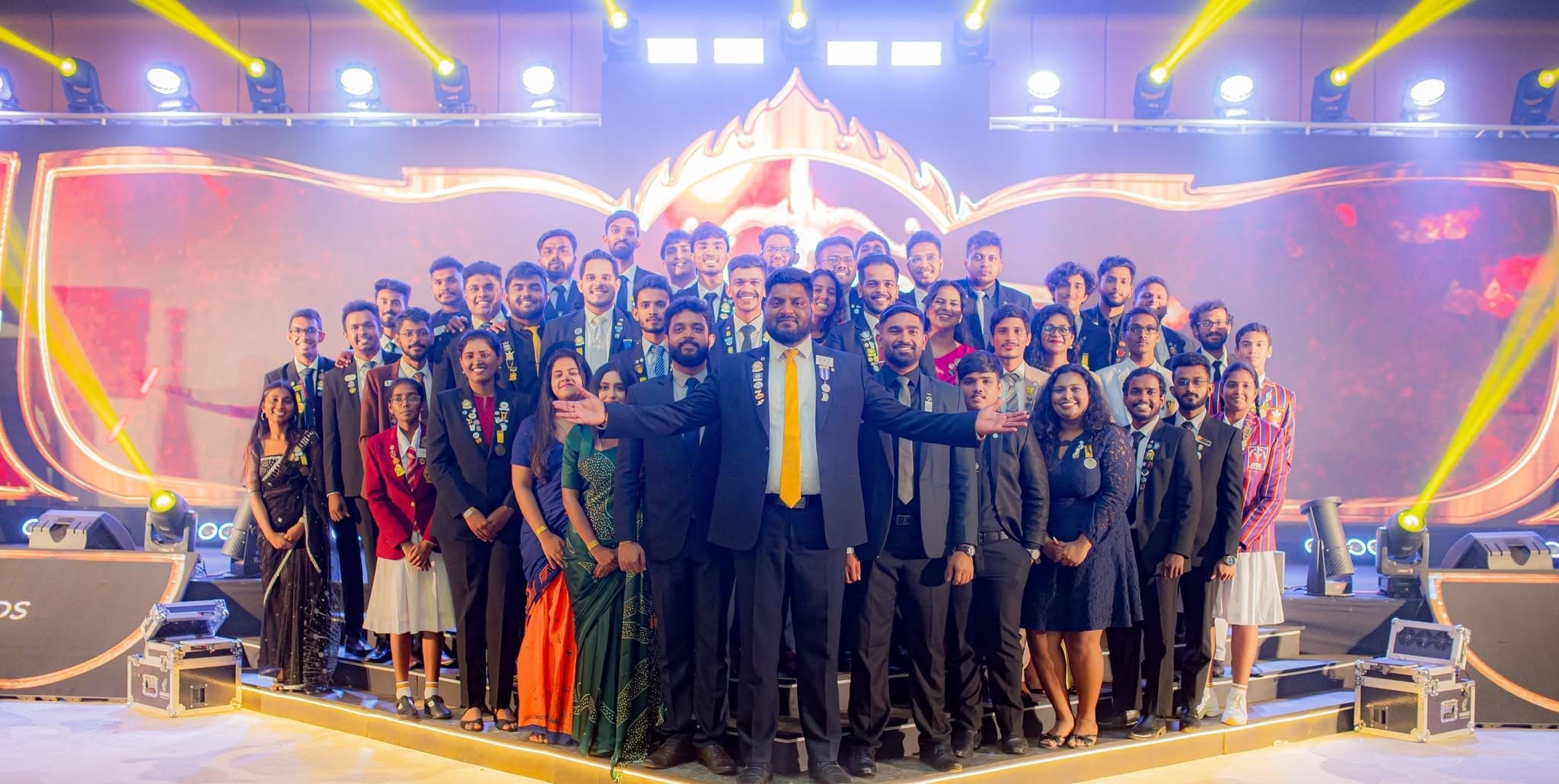
Leo Multiple District 306, Lions International
Inspiring Lives
01of 21
Children and youth
The ward, the classroom, and the age group the programme is named for.
Childhood cancer is one of Lions Clubs International's global causes, and the half of it that suits a Leo club is the practical one: time, company and steady help for the families in the middle of treatment. Around it sits everything else this age group is owed: a school visit, a safe place to be after class, and the plain fact that the people running the project are not much older than the people it is for.
02of 21
Environment and sustainability
Coastlines, planting and waste, in the hands of the next generation.
Both countries are coastal, and both live with what a changing climate does to a coastline. Of the twenty-one this is the one closest to home, and the category reaches past the clean-up to the things that stop the waste arriving: what a club buys, how it disposes of it, and whether a village has water and power it can rely on.
03of 21
Health and nutrition
Screening, safe food, and the awareness that gets somebody tested.
Diabetes is one of LCI's global causes and among the fastest-growing health burdens in South Asia, which makes early detection the part young volunteers can genuinely move. Nutrition sits with it because it is the same problem met earlier: a school meal programme, a food-safety session for a canteen, a health camp on a Saturday morning, and the blood donation camp that is the first project most new clubs run.
04of 21
Peace and culture
Two countries, four languages, and the events that put them in one room.
MD 306 spans Sri Lanka and the Maldives, and the clubs inside it work in Sinhala, Tamil, Dhivehi and English. Peace work here is rarely a conference. It is the Peace Poster contest in a school, a New Year event two clubs run jointly that would not otherwise meet, a cultural evening a district puts on. The category exists because that work is planned rather than incidental.
05of 21
Sports and recreation
Tournaments, coaching, and a field a town can actually use.
A sports meet is one of the few projects that brings a whole town to the same ground, and it is one clubs run well: fixtures, kit, an official, a field marked out by Saturday morning. The recreation half is quieter: a playground repaired, equipment given to a school, a side entered so that somebody has a team to join.
06of 21
Senior citizens
Elders' homes, and the company that is most of what gets asked for.
What an elders' home asks a club for is almost never money. It is an afternoon, a working kettle, a repainted ward, somebody to sit with a resident whose family is abroad. Both countries are ageing faster than they are replacing themselves, so the asking will grow rather than shrink, and clubs here were doing this long before it had a heading.
07of 21
Disability support
Ramps, chairs and hearing aids. Access, treated as somebody's job.
The register files this as “helping hand to differently abled”, and the form it takes is specific: a ramp at a school entrance, a wheelchair or a pair of crutches supplied, a hearing aid fitted, a sports day run so the children who never get picked are the ones competing. None of it is complicated. It is only ever a question of whether anybody took it on.
08of 21
Public relations
The record of what happened, kept well enough to be used.
A project nobody hears about helps the people it reached and nobody else. This is the club's own communication: the photograph taken properly, the report filed, the district told, the local paper called. MD 306 counts it as service work rather than as an afterthought to it, and this website is filed under it.
09of 21
Fundraising
How twenty people pay for a project that costs more than twenty people have.
Nothing else on this list runs on goodwill alone. A carnival, a raffle, a sponsored walk, a sale: the fundraiser is the project that makes the other projects possible, and a club is judged on how plainly it runs one. Money raised against a cause is accounted for against that cause. That is the whole of the rule.
10of 21
Education and literacy
Books, a library that works, and the costs that end a schooling.
The gap is rarely the school. It is a set of books, a uniform, a bus fare, an exam entry. Small amounts arriving at the wrong moment, which is exactly the size of problem a club can solve. The library and reading work sits alongside it, because a shelf that is stocked once is a shelf that empties.
11of 21
Women empowerment
Skills, safety, and the standing to use both.
Vocational training and self-employment support, awareness sessions on health and on safety, and leadership programmes run for and by young women. A Leo club is one of the few rooms in a town where a woman in her twenties holds a formal office and is treated as holding it, which makes this as much a category about how the clubs are run as about what they run.
12of 21
Poverty and community development
A roof, a well, a wiring job: the repair of a place people live in.
The register calls this “poverty and better life”, and the work under it is the plain upkeep of somewhere shared: a house rebuilt, a well cleaned, dry rations to a family having a hard year, a set of school things for a child who would otherwise stop going. None of it photographs like a global cause. It is what a club is asked for most often by the town it is in.
13of 21
Safety and crime prevention
Road safety, first aid, and the awareness that stops the call being made.
The road takes more young people in Sri Lanka than most of the illnesses on this list, and the countermeasures are unglamorous: a helmet campaign, reflective strips on school bags, a first-aid course run with the police, a session on staying safe online. Prevention is hard to count, which is exactly why it needs a heading of its own rather than being folded into health.
14of 21
Infrastructure
The building rather than the event. What is still standing next year.
A classroom block, a water tank, a toilet at a rural school, a bus halt, lights along a stretch of road. These outlast the committee that ran them, which is also why they are the projects a club cannot run alone: the district, the sponsoring Lions club and the local authority that has to maintain it afterwards are all in the plan from the first meeting.
15of 21
Research and innovation
Finding out what a district needs before spending a year on it.
The newest heading on the list and the one that decides how good the others are. A survey before a project rather than after it, a pilot in one club before twelve run it, a competition that gets students building something, and the plain record-keeping that lets next year's officers see what worked. Service that is never measured is service that repeats its own mistakes.
16of 21
Drug prevention
Reaching people before the habit, and standing by the ones past it.
Two halves clubs treat as one: the school and university programmes that reach young people before anything starts, and the support given to rehabilitation centres and to the families of the people inside them. It is a category where a Leo club has an advantage an institution does not: the audience is the same age as the volunteers, and hears it differently from them.
17of 21
Animals and wildlife
Strays, reefs, and the animals nobody else counts.
Street dogs and cats, temple animals and the working animals of a rural district: feeding rounds, vaccination and sterilisation drives run with a vet, shelter support. The heading reaches past the street to the water, and it should. Both countries are reef countries, and a beach clean-up and a coral project are the same cause seen at two depths.
18of 21
Fellowship and community engagement
The reason members come back, which is the reason anything else gets done.
A club that never meets except to work stops meeting. Fellowship is the joint project with a neighbouring club, the district convention, the evening after the camp, and MD 306 files it as service because it is what turns twenty individual volunteers into something that outlives an officer year. It is also how a nervous new member becomes the one running the next project.
19of 21
Hunger and food security
Meals, food drives and school nutrition, run where clubs live.
Food security is one of Lions Clubs International's global causes. Here it shows up as a meal programme at a school, as dry-ration drives for families having a hard year, and as the first thing a club does in the week after a flood.
20of 21
Vision care
The oldest Lions cause, carried forward by Leos.
Helen Keller asked the 1925 convention to become “knights of the blind”, and sight work has been part of the association ever since. For a Leo club it is a screening camp at a school, spectacles for the children who failed the test, and the eye-donation drives the Lions have run in Sri Lanka for decades.
21of 21
Disaster management
The week after the water goes down, when it is hands that are short.
One of LCI's global causes, and the one that arrives on its own schedule. Floods and landslides come most years to Sri Lanka, and the sea is a standing question in the Maldives. A club is already local, already organised and already there, which is the whole of what the first week needs. The prevention half, the drills and the readiness kits, is what makes that week shorter.